

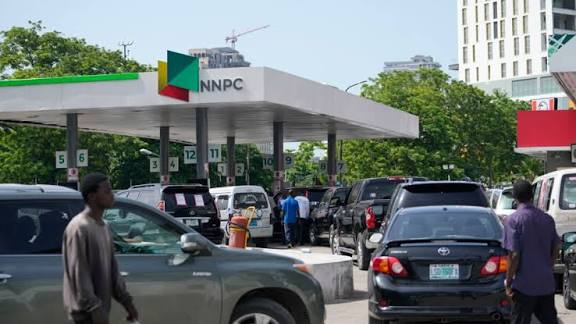
The Federal Government has announced a 30-day petrol price relief measure at Nigerian National Petroleum Company Limited (NNPC) filling stations as part of efforts to ease the pressure of rising fuel costs on Nigerians.
The announcement, made by the Minister of Finance and Coordinating Minister of the Economy, Taiwo Oyedele, on Thursday, October 8, comes amid concerns over the impact of petrol prices on transportation, food prices and the general cost of living.
The initiative is expected to give some relief to commuters and businesses that depend heavily on petrol, with public transport operators receiving priority under the arrangement.
FG Says Measure Is Not a Return to Fuel Subsidy
Oyedele said the arrangement would allow NNPC to sell petrol at cost for the initial 30-day period. The government maintains that the measure is different from the former nationwide fuel subsidy programme, which ended in May 2023.
The government is also negotiating a proposed ceiling of ₦1,350 per litre for petrol’s landing or ex-gantry cost. The arrangement is intended to reduce sudden price increases, although the proposed ceiling is separate from the temporary discount.
Nigerians Await Details of the Discount
Despite the announcement, questions remain about how much consumers will save per litre and whether the relief will lead to lower transport fares and food prices.
Labour leaders and opposition figures have also questioned whether the temporary measure will provide meaningful relief, with calls for a more lasting solution to rising living costs.
The government is expected to face pressure to show that the savings reach ordinary Nigerians, particularly commuters and small businesses affected by high fuel costs.
Monafrika’s Take
The 30-day petrol discount offers a temporary opportunity to ease pressure on households and transport operators. However, the real test will be the size of the price reduction, how the scheme is implemented, and whether transport fares respond to any savings.
For many Nigerians, temporary relief matters, but a clear and lasting plan for managing fuel-price increases remains essential.
0 COMMENTS

















Leave a Reply