

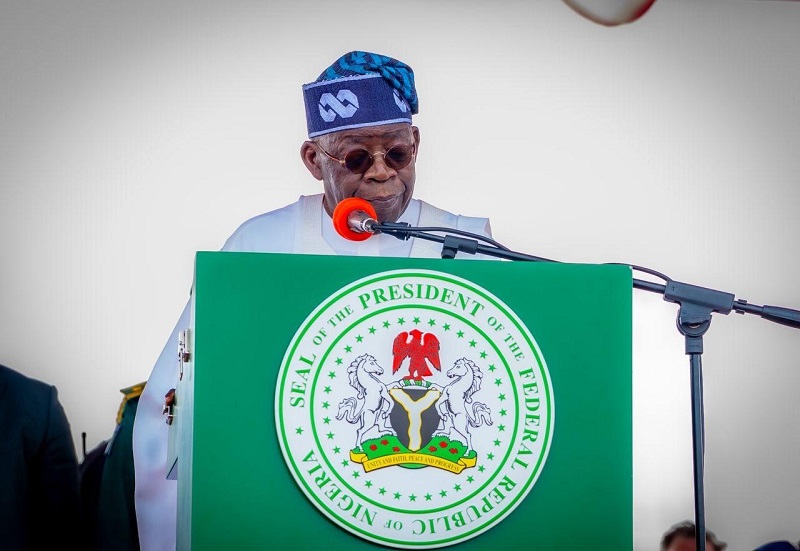
Nigeria is marking its 66th Independence Anniversary amid continued concerns over the cost of living, jobs and household purchasing power.
In his Independence Day address, President Bola Ahmed Tinubu said the country had reached a new stage in its economic reform programme. He said the focus would now shift toward making the benefits of the reforms more visible in the daily lives of Nigerians.
According to the President, reducing the cost of living will remain a major priority. He said the government plans to achieve this partly by reducing the cost of producing and transporting goods and services.
From difficult reforms to economic benefits
The Tinubu administration has described the removal of fuel subsidies and foreign-exchange reforms as necessary steps to stabilise the economy.
The government now says the next phase will focus on job creation, increased production, investment and lower costs.
The Federal Government had earlier announced that its 66th anniversary theme, “From Reforms to Stability: Consolidating Nigeria’s Renewed Hope for Shared Prosperity,” reflects this shift.
Nigerians still face economic pressure
Despite the government’s claims of improved economic stability, many Nigerians continue to face pressure from food, transportation, housing and other household expenses.
The government’s own June 2026 statement acknowledged that many Nigerians were still experiencing economic hardship and said reducing inflation, increasing food production and improving living standards remained priorities.
This makes the next phase of the reforms particularly important for ordinary households.
The key question is whether improved economic indicators will translate into cheaper food, lower transport costs, more jobs, better incomes and greater purchasing power.
Nigeria’s 66-year journey
Since gaining independence from Britain on October 1, 1960, Nigeria has experienced military rule, democratic transitions, economic crises, insecurity and major changes in its political and economic structure.
At 66, the country is again facing a critical economic moment, with the government promising that the difficult reform period will give way to a period of wider opportunity.
For millions of Nigerians, however, the success of the next phase will be measured less by economic statistics and more by what happens to their income and everyday expenses.
Monafrika Focus
Nigeria enters its 67th year with a clear challenge: turn economic reforms into improvements that ordinary citizens can actually feel.
The government says the foundation for recovery has been laid. The coming months will show whether that recovery produces lower costs, stronger incomes and more opportunities for Nigerians.
0 COMMENTS

















Leave a Reply