

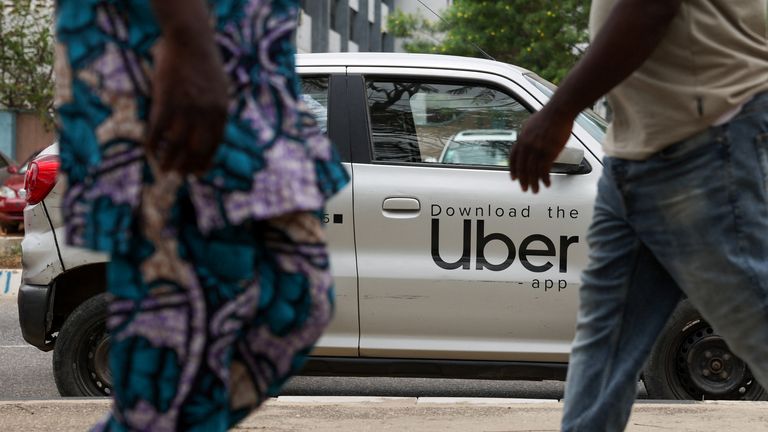
After more than a decade on Nigerian roads, Uber has ended its operations in Nigeria.
The ride-hailing giant officially stopped operations on September 2, 2026, bringing its 12-year Nigerian journey to an end. Uber entered Nigeria in 2014, beginning in Lagos before expanding into other cities.
Uber said the decision followed a review of its business operations but did not provide a detailed explanation for the withdrawal.
The timing, however, comes against a difficult operating environment.
Nigeria’s ride-hailing industry has been hit by rising fuel costs, inflation, currency pressures and increasing operating expenses. At the same time, competition in the sector has grown.
For passengers, drivers and other businesses that depend on ride-hailing platforms, Uber’s departure raises fresh questions about the future of digital transport businesses in Nigeria.
The company has also stopped operations in Uganda.
What does Uber’s exit mean?
Uber’s exit should not be seen only as the departure of one company.
It raises a bigger question:
How easy is it for global technology companies to build sustainable businesses in Nigeria?
Nigeria remains Africa’s largest economy and one of the continent’s biggest technology markets. But companies still face serious challenges around costs, infrastructure, regulation, and currency instability.
MONAFRIKA TAKE
Uber’s exit should make Nigeria ask some uncomfortable questions.
If one of the world’s biggest technology companies cannot make its Nigerian operation work, what does that tell us about the environment facing smaller African startups?
Nigeria needs businesses to stay, grow and create jobs — not simply arrive, struggle and leave.
0 COMMENTS

















Leave a Reply