

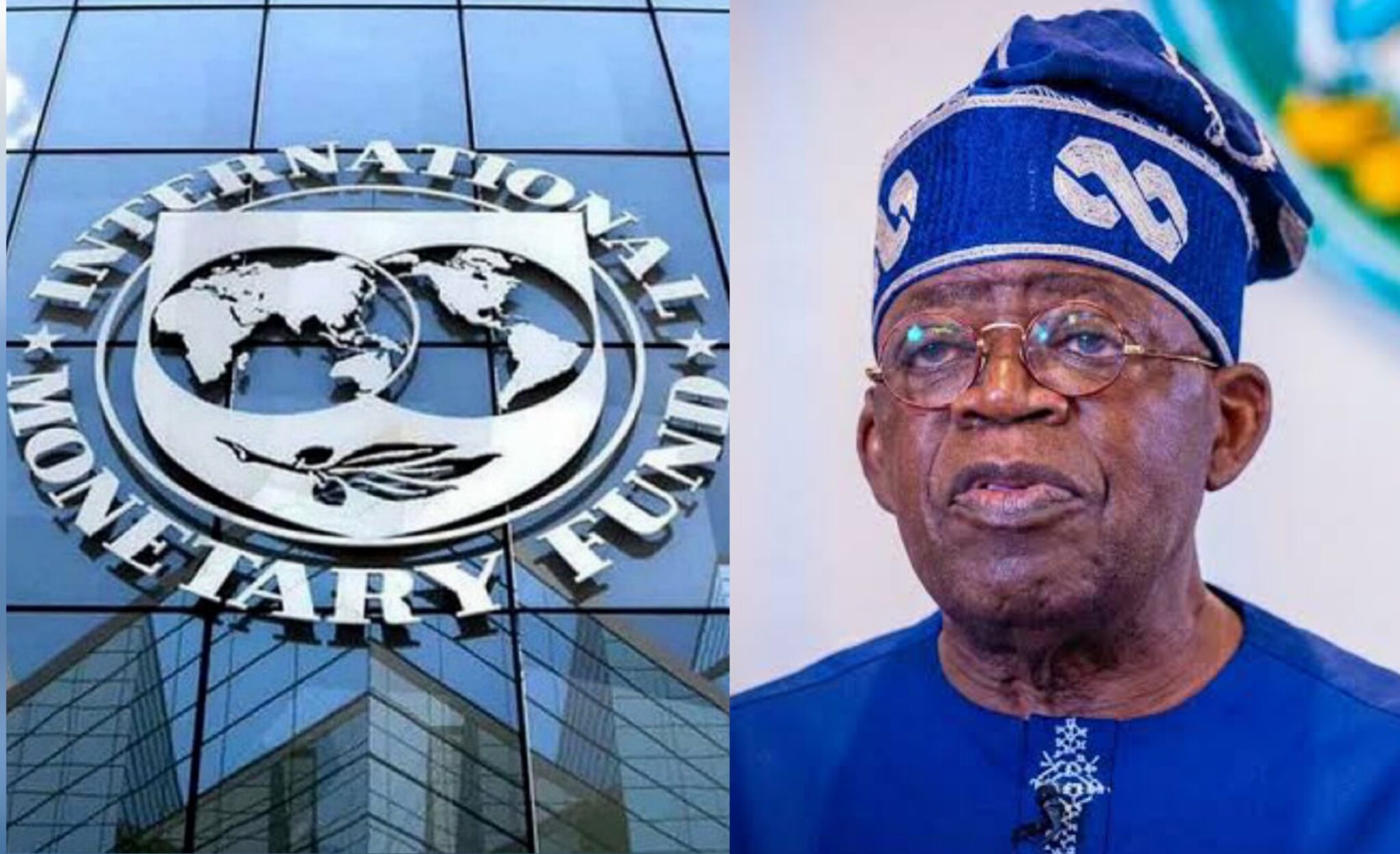
Nigeria’s economic reforms have helped improve some major economic indicators, but millions of Nigerians continue to face difficult living conditions.
The International Monetary Fund has acknowledged progress from reforms introduced over the past three years, including changes to fuel subsidies and the foreign-exchange system.
However, the IMF has also warned that the benefits of economic stabilisation have not yet reached many households.
Its 2026 assessment noted that poverty remains high and that food insecurity continues to affect millions of Nigerians.
The challenge for the government is now to move from macroeconomic stability to greater improvements in household incomes, jobs, food security and access to basic services.
The debate over Nigeria’s reforms is therefore shifting. While supporters argue that the changes were necessary to prevent deeper economic problems, critics continue to question how long Nigerians will have to wait before they feel meaningful improvements in their daily lives.
The IMF has urged continued reforms alongside measures that protect vulnerable Nigerians.
0 COMMENTS

















Leave a Reply