

ABUJA, Nigeria — September 23, 2026
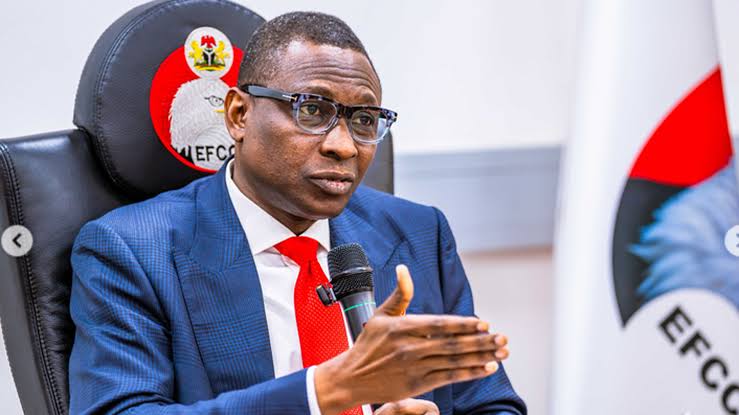
The Chairman of the Economic and Financial Crimes Commission (EFCC), Ola Olukoyede, has raised concerns over the involvement of people bearing religious titles in financial-crime cases.
Speaking at the Nigeria Inter-Religious Council (NIREC) meeting in Abuja on Wednesday, Olukoyede said EFCC case files contain numerous suspects identified as pastors, imams and other religious figures. He said some of those investigated had also been convicted and sentenced to prison.
Olukoyede questioned whether religious titles should continue to influence how people accused of financial crimes are treated.
He stressed that religious identity should not provide protection from the law, saying people should be judged by their conduct rather than their titles.
EFCC warns against questionable donations
The EFCC chairman also warned churches and mosques against accepting large donations without asking questions about their sources.
He said religious organisations should not allow unexplained wealth to gain social or religious recognition simply because the money is being used for a religious project.
He further called on religious organisations to keep their institutional funds separate from the personal businesses and finances of their leaders.
According to the EFCC, tithes, offerings, zakat and other funds belonging to religious organisations should be used for their intended purposes and should not be diverted into private businesses.
EFCC launches interfaith anti-corruption manual
The comments came during the launch of an Inter-Faith Anti-Corruption Manual, designed to help Christian and Muslim leaders include anti-corruption messages in sermons and other religious teachings.
The EFCC says the initiative is aimed at preventing corruption by helping religious communities promote honesty, accountability and responsible attitudes toward wealth.
The Sultan of Sokoto, Muhammadu Sa’ad Abubakar III, also urged religious leaders not to shield anyone facing legitimate corruption investigations because of religious, family or personal connections.
Monafrika Take
The discussion has placed renewed attention on financial accountability within religious organisations. The EFCC’s position is that the fight against corruption cannot depend only on arrests and prosecutions; religious institutions also have a role in discouraging unexplained wealth and promoting integrity.
Importantly, Olukoyede’s comments refer to people involved in specific investigations or convictions, and should not be read as an allegation that religious leaders generally are corrupt.
0 COMMENTS

















Leave a Reply