

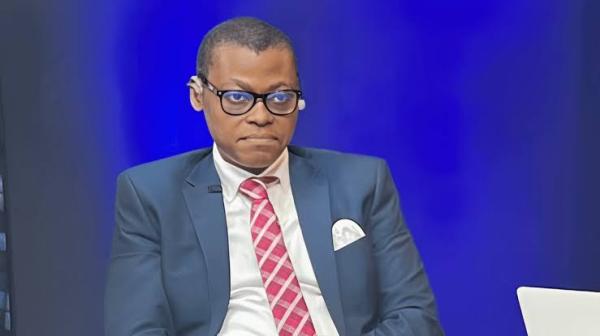
The interview between Rufai Oseni and Lere was more than just another heated television conversation. It opened a small window into a bigger problem in Nigerian politics — the belief by some members of the political class that they are too important to be questioned, challenged or held accountable.
Over time, that attitude has made some politicians feel almost untouchable. And when citizens or journalists ask uncomfortable questions, the response can sometimes be anger, intimidation, or even the use of security agencies to silence criticism.
In Nigeria’s political space, truth and sincerity have become expensive commodities. Some politicians do not like questions that shine a bright light on their actions. They prefer questions they already know how to answer.
And that brings us to the issue of choosing who should ask you questions.
You Can’t Choose Your Interviewer
Mr Lere’s explanation for refusing to answer some of Rufai’s questions did not quite add up.
The statement Rufai made on the morning show was not necessarily attributed to his principal, Minister Nyesom Wike. So why take Panadol for somebody else’s headache?
If you agree to a live interview, you should be ready for the questions — easy ones, difficult ones, and the ones that make you shift in your seat.
Live interviews require professionalism, maturity and composure. If you only want questions that make you comfortable, then perhaps a carefully arranged media chat is the better option.
But journalism is not supposed to be a comfort zone.
Rufai’s Approach
Over the years, Rufai Oseni has built a reputation as one of Nigeria’s more fearless journalists. He is analytical, direct and, most importantly, willing to ask the questions many others may walk past.
That is probably why his interviews can feel like a hot kitchen to some politicians.
Rufai does not simply ask a question and wait for a rehearsed answer. He listens. He digs deeper. He brings facts to the table and allows his guest to explain.
And if your first answer opens another door, Rufai is likely to walk through that door with another question.
That is what makes his interviews interesting — and sometimes uncomfortable.
If you are not prepared to defend your position honestly, sitting across from Rufai may not be the most relaxing morning you have ever had.
The Bigger Lesson
The real lesson here is not about Rufai alone. It is about journalism and accountability.
A good interviewer should not be in the business of massaging the ego of a guest. The job is not to make the guest feel important or comfortable. The job is to ask questions that matter and give the guest a fair chance to respond.
Ask boldly.
Ask with facts.
Do not assume.
Do not put words into your guest’s mouth.
And most importantly, let the guest speak for themselves.
For young and upcoming journalists, that is perhaps one of the biggest lessons: respect your guest, but do not surrender your questions to their ego.
At the end of the day, an interview is not a battle of who can shout the loudest. It is a search for answers.
And sometimes, the truth may not be wearing a suit or carrying a political title. Sometimes, it is simply sitting quietly inside an uncomfortable question.
This is just my opinion as an ordinary citizen.
Thank you for reading.
0 COMMENTS

















Leave a Reply