

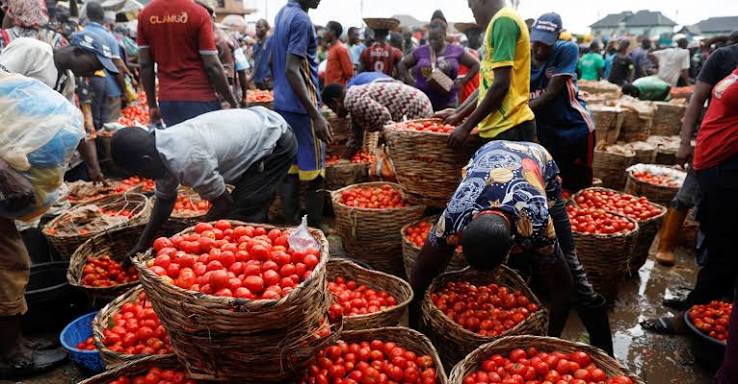
Nigeria’s headline inflation rate fell to 14.63 per cent in September 2026, down from 15.39 per cent in August, according to the National Bureau of Statistics.
The figures released on Thursday show that the annual rate of price increases has continued to slow. However, many Nigerians are still struggling with the cost of food, transport, electricity and other basic needs.
Food inflation stood at 19.59 per cent in September, slightly higher than the 19.57 per cent recorded in August. This shows that the overall decline in inflation has not brought equal relief across all spending categories.
The figures also come as households continue to adjust their spending because of high energy and transport costs.
A fall in inflation does not mean that prices have returned to previous levels. It means prices are rising more slowly on average than they did during the same period a year earlier.
For families already facing financial pressure, the difference between slowing inflation and actual reductions in market prices remains important.
Monafrika’s Take
Lower inflation is encouraging, but economic progress must reach ordinary people. Government policies should help improve food supply, reduce business costs and create jobs. Nigerians need to see the benefits in their markets, homes and daily expenses.
0 COMMENTS

















Leave a Reply