
By Monafrika News Desk | August 19, 2026
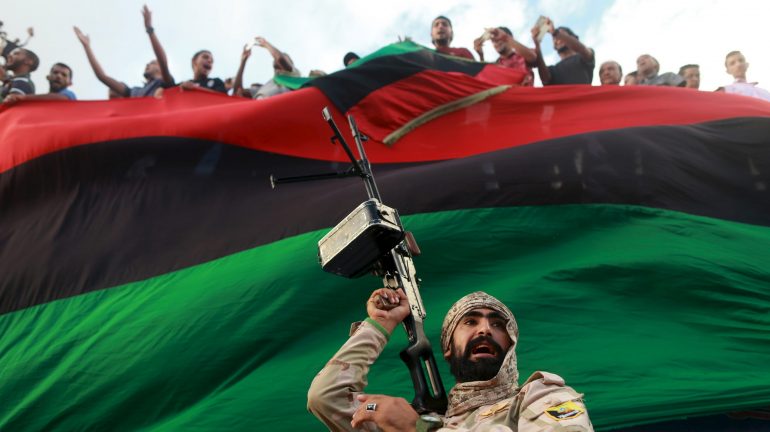
Libya is facing a fresh crisis as widespread electricity problems, fuel shortages and political tensions put growing pressure on the country.
The issue has become a major concern for Libyans, despite the country having Africa’s largest proven oil reserves. UN officials say the situation shows the serious problems created by Libya’s political and institutional divisions.
Power cuts hit communities
The electricity crisis has become particularly serious in recent weeks. The United Nations says extensive blackouts in July and August disrupted both electricity and water supplies.
The crisis has been linked to fuel shortages, declining gas supplies and weaknesses in the country’s ageing power infrastructure.
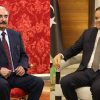
In one of the latest developments, Libya’s Prime Minister Abdul-Hamid Dbeibah dismissed the board of the state electricity company and appointed a new management team as the government tries to deal with the worsening power situation.
Attacks add to the problem
The situation has also been made worse by attacks on energy infrastructure in western Libya.
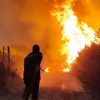
In Zawiya, an attack damaged a major electricity substation, cutting power to large areas. Earlier attacks also targeted the nearby oil complex, which houses Libya’s largest operating refinery.
The attacks have raised fears about the safety of Libya’s oil industry and the country’s ability to maintain reliable electricity supplies.
The United Nations has called for an end to violence and urged Libyan authorities to protect critical infrastructure.
Oil wealth, but electricity problems
Libya’s situation is attracting particular attention because the country is rich in oil yet struggles to provide reliable basic services.
The National Oil Corporation is seeking up to $40 billion in new investment to develop the country’s oil and gas industry and increase oil production from about 1.4 million barrels per day to 2 million barrels per day by 2030.
But political division, insecurity and fuel smuggling continue to create major obstacles.
The UN has also warned that Libya is at a critical point and that progress towards a unified government and national elections remains important.
What happens next?
For ordinary Libyans, the immediate concern is not only politics or oil production. It has electricity, water, and other basic services.
The UN is pushing Libyan political leaders to move forward with efforts to unify state institutions and create conditions for presidential and parliamentary elections.
Until that happens, Libya’s political divisions and security problems are likely to continue putting pressure on the country’s economy and public services.
Monafrika News | Telling the True African Story
0 COMMENTS
Leave a Reply