

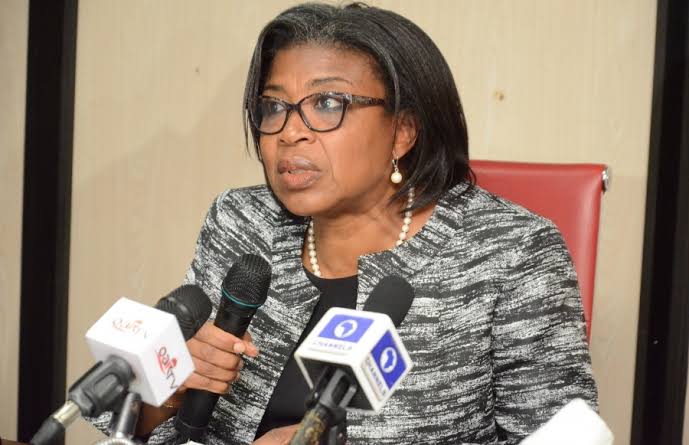
The Debt Management Office (DMO) has announced plans for the Federal Government to raise ₦5.75 trillion through domestic bonds in the final quarter of 2026, as government borrowing continues to increase.
Under the proposed issuance calendar, the government plans to offer ₦1.75 trillion in October, ₦2 trillion in November and another ₦2 trillion in December.
The planned auctions are scheduled for October 19, November 16 and December 14, respectively.
Government Bond Borrowing Rises Sharply
The proposed bond offer follows a significant increase in the Federal Government’s domestic borrowing through bonds.
Between January and September 2026, the government allotted ₦7.15 trillion in domestic bonds, compared with ₦3.48 trillion during the same period in 2025.
This represents an increase of about 106 per cent, highlighting the growing role of domestic borrowing in government financing.
Government bonds allow the Federal Government to raise money from investors, including banks, pension funds and individuals. In return, investors receive interest payments and repayment of their principal according to the agreed terms.
However, the planned offer does not necessarily mean the government will raise the entire amount. The final proceeds will depend on investor demand and the outcome of the bond auctions.
Nigeria’s Public Debt Continues to Grow
Nigeria’s total public debt stood at ₦166.79 trillion as of June 30, 2026, compared with ₦159.35 trillion at the end of March.
Domestic debt accounted for ₦91.59 trillion, while the remainder was owed to external creditors.
The latest borrowing plan adds to concerns about the cost of servicing public debt and the pressure it could place on government finances.
Although borrowing can help fund infrastructure and other public projects, the long-term benefit depends on how effectively the funds are used and whether the investments generate enough economic value to justify their cost.
What This Means for Nigerians
Higher government borrowing could affect the economy in several ways. Increased debt-service payments may leave less money available for healthcare, education, infrastructure and other public services.
Heavy government demand for funds in the domestic market may also influence interest rates and the availability of credit to private businesses.
On the other hand, borrowing that supports productive investment can improve infrastructure, create jobs and increase future government revenue.
The key issue is how the government balances its financing needs with the long-term cost of debt.
Monafrika’s Take
Nigeria’s rising borrowing makes transparency and responsible spending more important than ever.
The government must clearly explain how borrowed funds are being used and what benefits citizens should expect. Borrowing should support productive projects, not become a cycle that leaves future administrations with heavier repayment obligations.
The Federal Government also needs to improve revenue collection, reduce waste and strengthen accountability in public spending.
For Nigerians, the most important question is simple: Will the money being borrowed today create a better economy tomorrow, or will it leave future generations with a bigger debt burden?
0 COMMENTS

















Leave a Reply