

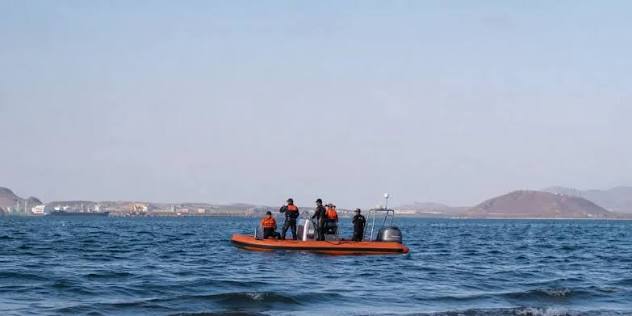
At least 139 migrants have died, and another 84 remain missing after a boat carrying more than 300 people capsized off the coast of Djibouti while travelling towards Yemen, according to the International Organization for Migration (IOM).
The incident occurred during the night of October 8–9 near Guhere, north of the port town of Obock. The vessel was carrying 305 people, most of whom were Ethiopian nationals.
The IOM said about 82 people survived the disaster as search and rescue operations continued. Emergency teams were also providing assistance to survivors.
The death toll rose as additional bodies were recovered, making the incident one of the deadliest recent disasters along this migration route.
Dangerous journey towards Yemen
Djibouti is an important transit point for migrants travelling from the Horn of Africa towards Yemen and, in some cases, Gulf countries in search of work and better living conditions.
The journey across the Bab el-Mandeb Strait carries serious risks, including dangerous sea conditions, overcrowded boats, trafficking and exposure to violence.
The IOM said poverty, insecurity and the effects of climate change are among the factors pushing people to undertake these journeys despite the dangers.
The ongoing conflict and instability in Yemen add further risks for people attempting to use the country as a transit route.
Calls for safer migration options
The disaster has renewed concerns about the conditions that push people to take dangerous migration routes.
Humanitarian organisations have repeatedly called for stronger efforts to protect migrants, combat trafficking and expand safe and legal migration opportunities.
Governments and development partners also face the challenge of addressing the economic hardship, insecurity and limited employment opportunities that drive people to leave their homes.
Providing better access to education, jobs and essential services could help reduce some of the pressures behind irregular migration.
Monafrika’s Take
The tragedy off Djibouti is a painful reminder of the human cost of unsafe migration.
People often leave their homes because they hope to find work, safety or a better future. But when safe and affordable routes are limited, some turn to dangerous journeys that put their lives at risk.
African governments need to strengthen cooperation on migration, tackle human trafficking and create more opportunities for young people at home.
International partners also have a role in supporting communities affected by conflict, poverty and climate-related challenges.
The goal should be to make migration safer while ensuring that people do not feel forced to risk their lives simply to find a better future.
0 COMMENTS
















Leave a Reply