

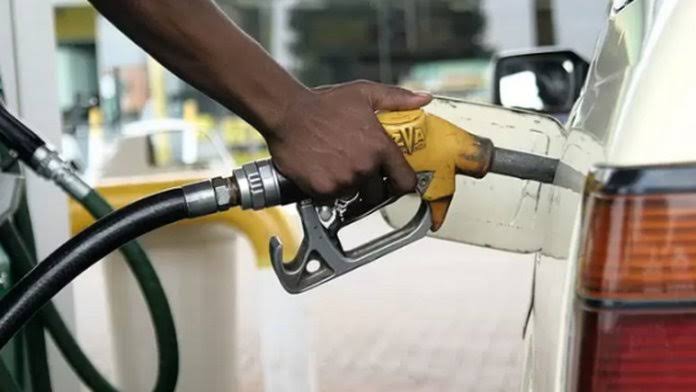
Petrol prices have increased at some filling stations across Nigeria, adding fresh pressure on motorists and households already struggling with high living costs.
Reports published on Sunday, October 11, indicate that MRS and other fuel retailers have adjusted their pump prices amid changing supply costs in the downstream petroleum market.
The latest increase comes as Nigerians continue to face high transportation costs and rising prices of essential goods. Petrol price changes often affect commercial transport fares, delivery charges and the cost of moving food from farms to urban markets.
Rising fuel costs put pressure on households
For many Nigerians, petrol is more than a fuel for private vehicles. It is also an important cost for businesses that depend on generators, delivery vehicles and road transport.
When petrol prices rise, transport operators may increase fares to cover their operating expenses. Businesses may also adjust prices to account for higher distribution and energy costs.
These changes can put additional pressure on low-income households, workers and small businesses.
The Federal Government recently announced a 30-day petrol discount through the Nigerian National Petroleum Company Limited as part of its response to rising fuel costs. However, the latest price adjustments raise questions about how much relief consumers will receive during the period.
The effect of the discount may vary depending on the participating outlets, prevailing market prices and the cost of supplying petrol.
What Nigerians should expect
The impact of the latest increase will depend on how widely filling stations adjust their prices and whether further changes occur in supply costs.
Motorists are likely to pay close attention to prices at nearby stations, while transport operators and businesses will be watching for changes that could affect their operating expenses.
Monafrika’s Take
Frequent petrol price changes make it difficult for households and businesses to plan their spending.
While fuel pricing in Nigeria operates under a deregulated market, the government still has a role in protecting consumers against unfair practices and ensuring that market rules are followed.
The priority should be transparent pricing, reliable fuel supply and practical measures that reduce the pressure on households without creating new economic problems.
For Nigerians, the real test is whether efforts to provide temporary relief can make transportation and daily living more affordable.
0 COMMENTS















Leave a Reply