

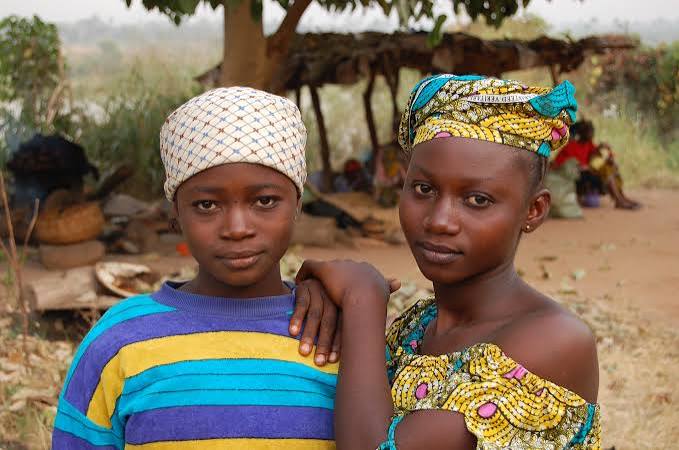
Poverty is worsening the problem of child marriage in Nigeria, putting the education, safety and future of many young girls at risk, according to concerns raised by human rights advocates.
The issue highlights the challenges facing families who struggle to afford basic needs and keep their children in school. In some communities, financial hardship and harmful social practices can push girls into marriage before they turn 18.
Child marriage remains a major concern across Nigeria, particularly in communities where poverty, limited access to education and gender inequality affect children’s opportunities.
Poverty and Lack of Education Increase the Risk
When families cannot afford school expenses, girls may be more likely to leave school early. In some cases, marriage is seen as a way to reduce household financial pressure, even though it can create long-term challenges for the girls involved.
Early marriage can interrupt education, limit future employment opportunities and expose girls to serious health and social risks. It can also reduce their ability to make independent decisions about their lives.
Figures cited by the International Federation of Women Lawyers (FIDA) Nigeria in October 2026 indicate that 33.4 per cent of young women in Nigeria were married before the age of 18. The organisation also cited figures showing that 7.6 million Nigerian girls are out of school, with half living in northern Nigeria.
These figures point to the need for stronger measures to keep girls in school and protect children from early marriage.
Child Marriage Remains a Concern Across West Africa
The problem extends beyond Nigeria. Human rights advocates have highlighted the widespread practice of child marriage across West and Central Africa, where millions of girls face barriers to education and protection.
Poverty, gender inequality, limited educational opportunities and social pressure continue to make many girls vulnerable to early marriage.
Addressing the problem requires governments and communities to tackle the economic and social conditions that prevent girls from completing their education.
What Nigeria Needs to Do
Reducing child marriage requires action on several fronts. Government agencies need to strengthen the enforcement of child protection laws and improve access to affordable, quality education.
Scholarships, school support programmes and financial assistance for vulnerable households could also help families keep their children in school.
Community and religious leaders have an important role in challenging practices that deny girls their rights. Parents and community members must also be supported with information about the importance of education and the long-term consequences of child marriage.
Monafrika’s Take
Child marriage is not just a social problem. It is also an education, poverty and human rights issue.
Nigeria cannot protect its girls by relying on laws alone. Families facing financial hardship need practical support, while girls need safe schools and a fair chance to complete their education.
Keeping girls in school can open doors to employment, financial independence and greater participation in national development. It also gives them more opportunities to shape their own futures.
Poverty should not determine a girl’s future, and no child should have to give up her education because her family is struggling.
0 COMMENTS


















Leave a Reply