
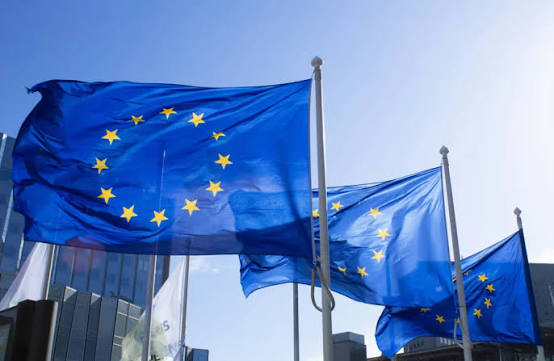
The European Union has warned Nigerian authorities against using the threat of artificial intelligence-generated misinformation as an excuse to silence political critics, restrict press freedom or suppress legitimate public debate ahead of the 2027 general elections.
The warning was delivered on Monday by the EU Ambassador to Nigeria and ECOWAS, Gautier Mignot, during the National Summit on Electoral Information Integrity in Abuja.
The two-day summit, organised by Nigerian media and civil society organisations with support from the European Union, focused on the growing influence of artificial intelligence, disinformation and foreign information manipulation on democratic processes.
Mignot acknowledged that artificial intelligence could become a major threat to electoral credibility if used to create fake videos, cloned voices, manipulated photographs and misleading political messages.
However, he stressed that efforts to address these threats must not undermine fundamental democratic rights.
He warned that citizens questioning government institutions should not automatically be accused of spreading misinformation.
He also stressed that journalists reporting government failures must be allowed to perform their professional responsibilities without intimidation.
According to the EU representative, protecting electoral information requires a balance between fighting misinformation and preserving freedom of expression.
The summit also examined the role of technology in influencing political opinions and public confidence in electoral institutions.
Former Independent National Electoral Commission Chairman, Professor Attahiru Jega, called on INEC to consider deploying artificial intelligence-powered chatbots to provide voters with accurate electoral information.
The proposal is aimed at helping citizens verify election-related information and obtain reliable responses directly from the electoral commission.
INEC Chairman, Professor Joash Amupitan, also warned that artificial intelligence could be used to circulate fake election results, forged electoral directives, and fabricated announcements capable of causing confusion during the 2027 elections.
He said the commission was strengthening its technological capacity to detect manipulated content and respond to misleading information.
The discussions come at a time when political activities are gradually increasing ahead of Nigeria’s next general elections.
Monafrika’s Take
Artificial intelligence presents both an opportunity and a serious threat to Nigeria’s democracy.
It can help citizens access information, improve electoral transparency and make political communication easier. However, it can also be used to manipulate voters and spread false information.
The EU’s warning is important because the fight against misinformation must not become a tool for restricting freedom of expression.
INEC, government agencies, political parties and media organisations must work together to protect the credibility of the electoral process.
Nigerians must be free to question their leaders, while deliberate attempts to deceive voters should be addressed through fair and transparent measures.
A credible election requires more than technology. It requires trust, accountability and respect for democratic rights.
0 COMMENTS














Leave a Reply