

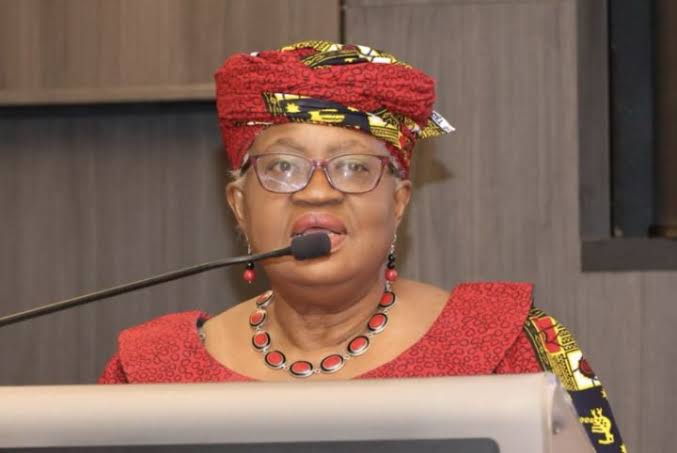
Ngozi Okonjo-Iweala, Director-General of the World Trade Organisation (WTO), has recounted how her efforts to investigate an alleged $2.4 billion fuel subsidy fraud in Nigeria led to threats against her and the kidnapping of her mother in 2012.
The former Nigerian finance minister said the abductors demanded that she resign from office and leave the country in exchange for her mother’s release.
She shared the experience during an interview with Bloomberg journalist Francine Lacqua on the Leaders programme, reflecting on one of the most painful periods of her career in public service.
How the Investigation Began
Okonjo-Iweala explained that the investigation started after officials noticed a sharp increase in claims submitted by fuel importers seeking government payments under Nigeria’s petrol subsidy programme.
At the time, Nigeria relied heavily on imported refined petroleum products. The government paid eligible importers to help maintain regulated petrol prices.
According to Okonjo-Iweala, the growing claims raised concerns about possible financial irregularities. She approached then-President Goodluck Jonathan and obtained approval to audit the accounts.
She said the investigation uncovered what she described as about $2.4 billion in fraud. The government subsequently refused to pay the disputed claims.
She said the decision triggered threats against her, which were followed by the abduction of her mother, Professor Kamene Okonjo, from her home in Ogwashi-Uku, Delta State, in December 2012.
Kidnappers Demanded Her Resignation
The WTO chief said her mother’s abductors made it clear that they wanted her to leave her position as finance minister and leave Nigeria.
Her mother was held for five days in a forest before escaping, according to Okonjo-Iweala.
She described the period as one of the most difficult experiences of her life, explaining that she feared for her mother’s safety and considered resigning to secure her release.
Okonjo-Iweala said her father, however, urged her not to give in to blackmail and encouraged her to continue her work.
She acknowledged that the experience left a lasting emotional impact on her and her family. Her mother is now 96 years old, she said.
Okonjo-Iweala Reaffirms the Need to Protect Public Funds
Reflecting on the incident, Okonjo-Iweala stressed the importance of protecting public resources, especially in countries where government funds are needed to provide essential services.
She said the experience had made her more patient and strengthened her determination to seek solutions when faced with difficult situations.
Her account has renewed attention to Nigeria’s fuel subsidy programme, the verification of claims by petroleum importers and the challenges faced by public officials investigating suspected financial misconduct.
Okonjo-Iweala served as Nigeria’s finance minister under former President Goodluck Jonathan before becoming WTO director-general in March 2021. She was the first woman and the first African to lead the global trade organisation.
Monafrika’s Take
Okonjo-Iweala’s account highlights the personal risks that can arise when public officials challenge suspected financial wrongdoing.
Public money should be protected because it supports healthcare, education, infrastructure and other essential services. Allegations of fraud must be investigated fairly, and those responsible should face the law.
At the same time, no public servant or family should have to face threats or kidnapping because of work carried out in the public interest.
Nigeria’s experience with fuel subsidies also shows why transparent financial records, strong auditing systems and effective oversight are important. Protecting public funds must go hand in hand with protecting the people responsible for managing them.
0 COMMENTS










Leave a Reply