
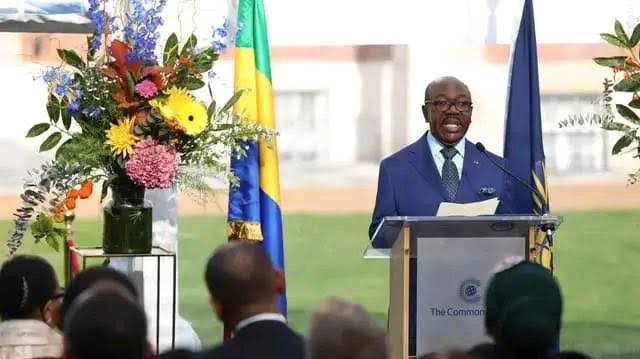
Gabon has restored access to social media platforms following an eight-month suspension that affected millions of online users and businesses.
The country’s High Authority for Communication announced the decision on Saturday, October 24, bringing an end to the restriction introduced on February 17.
The ban had affected platforms including Facebook, Instagram, TikTok and YouTube. WhatsApp access was also reported to have been disrupted at different times.
Authorities originally justified the restriction by citing concerns about online content, including hate speech, cyberbullying, misinformation and material they said could encourage social conflict.
The suspension attracted criticism from opposition figures, activists and digital rights advocates, who argued that shutting down social media restricted freedom of expression and affected people’s ability to communicate.
The restoration follows efforts by the government to establish a stronger framework for regulating online platforms. The communication authority said it had worked with major technology companies to improve content moderation and respond to illegal material.
However, the reopening comes with conditions. Authorities have said users must behave responsibly online, and reports indicate that new requirements involving formal identification could affect anonymity on social media.
The decision is important for businesses that depend on digital platforms to advertise products, communicate with customers and reach new markets.
It is also significant for journalists, civil society organisations and ordinary citizens who use social media to share information and discuss public issues.
Monafrika’s Take
Restoring social media access is a positive step for communication and digital business in Gabon. However, access should be protected while genuine cases of online abuse are addressed through fair and transparent rules. Governments must avoid using concerns about misinformation as a reason to silence criticism. A strong digital economy needs both responsible users and respect for basic rights.
0 COMMENTS

















Leave a Reply